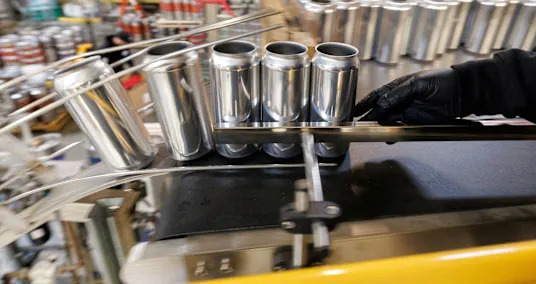
The Gulf’s 3.5 million tonnes of aluminum output is at risk because of the Iran war, and could trigger a global supply crisis according to analysts Wood Mackenzie.
Emirates Global Aluminium has halted operations in Abu Dhabi, after its Al Taweelah site sustained “significant damage” during an Iranian attack on March 28. That takes 1.6 million tonnes a year of production offline and it could take a year to repair. Aluminium Bahrain (Alba)’s facility was also hit by Iran on March 28 and its 1.6 million-tonne-a-year plant may now be working at just 30% of capacity. Qatar’s Qatalum is operating at around 60% capacity.
The Gulf accounts for around 23% of global, non-China aluminum production. Most Gulf output is sold overseas and the regional crisis is having a knock-on effect globally. Aluminum is in high demand from fast-growing industries such as electric vehicles, solar panels, wind turbines, and data centres. Prices are now at their highest level in four years.
LATEST POSTS
- 1
 The Job of a Migration Legal advisor: How They Can Help You
 - 2Instructions to Amplify Certifiable Experience While Chasing after an Internet Advertising Degree
- 3Manual for Instructive Application for Youngsters
- 4The 2026 'Super Bowl of Astronomy' starts today — here's what's happening
- 57 Methods for further developing Rest Quality


- 100 new alien worlds: Scientists find hidden haul in data from NASA exoplanet-hunting spacecraft
- Mexican Woman Accused of Assaulting Partner With Belt After He Refused Sex, Police Say
- Christmas 2025 skywatching guide: What you can see in the night sky on Dec. 25
- James Webb Space Telescope discovers a lemon-shaped exoplanet unlike anything seen before: 'What the heck is this?'
- Wizz CEO: We’re going to invest $1 b. in Israeli market
- Venezuelan President Maduro arrives in New York following U.S. capture: Full coverage
- Finding Europe's Head Traveler Objections: An Excursion Through Famous Attractions
- The most effective method to Recuperate After a Dental Embed Strategy: A Far reaching Guide
- Impact of NIH funding reductions felt in cancer and infectious disease trials